
Under Pressure
Iran’s strikes on GCC nations were not a mistake.

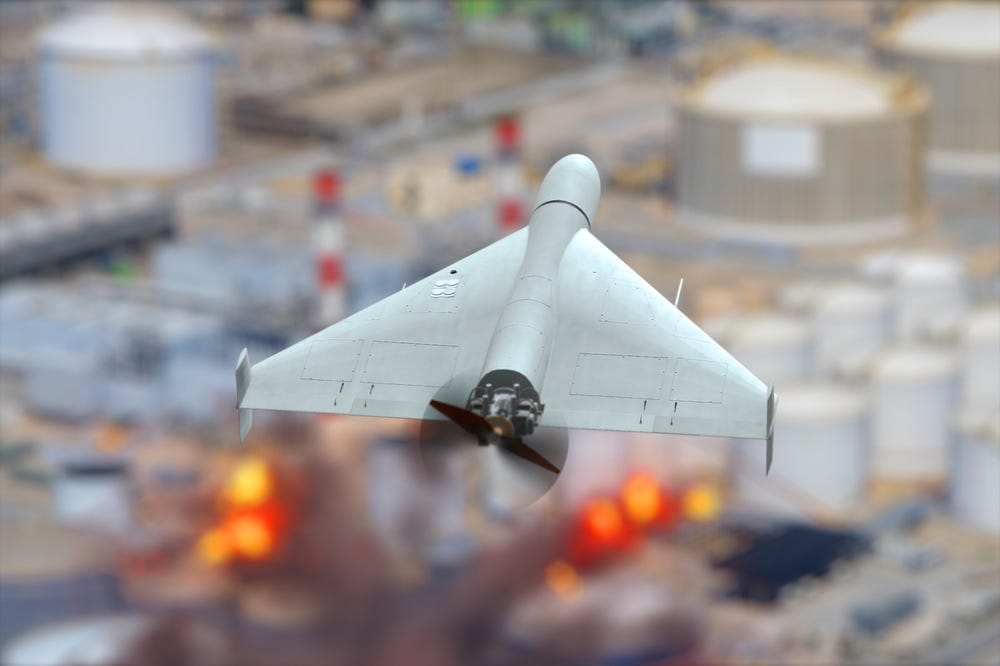
Various commentators have been declaring that Iran has made a vast mistake in firing missiles and drones into the UAE and KSA, amongst other neighbours. Now, they say, GCC nations that previously had banned US forces from using bases in their territory and from transiting their airspaces, will/ have switched over to supporting the US/Israeli attacks on Iran.
What these commentators are missing is that:
A. For the Iranian regime this situation is now existential. They have nothing to lose by going all out.
B. That even if, in the extreme, KSA, the UAE and other nations were to join the USA and Israel in bombing Iran, it wouldn’t make a significant difference. Air power alone has never, ever been sufficient to win a conflict.
C. That, in fact, Iran stands to gain significantly through attacking GCC neighbours’ transport infrastructure, military and diplomatic sites, and energy infrastructure.
Here’s why. It’s all about pressure.
Just one drone hit on Dubai airport, or Doha airport, or Kuwait airport is sufficient to shut not only the airport, but also that nation’s airspace, and for insurers to ban airlines from flying their fleets in and out of that country. The airport itself doesn’t need to be destroyed, the runway cratered, nor does Iran need to leave the burning carcasses of airliners clustered around terminals. One strike is enough, and as a result that nation begins to apply pressure on the USA and Israel to cease bombing Iran so that Iran ceases lashing out at KSA, UAE etc.
Just one threat to attack shipping in the Strait of Hormuz is sufficient to have insurers ban fleets of tankers from going through the strait. Remember that between 25 and 30% of global oil and Liquified Natural Gas (LNG) supplies transit that strait. Throw in a few threats and maybe attacks on energy production infrastructure, and prices spike around the world, also adding pressure on the USA and Israel. At the time of writing the price of LNG in Europe has already jumped 45% - in addition to the Strait being closed, Qatar just shut down LNG production (Qatar provides almost 19% of global LNG supply) after one of its export terminals (tanker filling stations essentially) was targeted by an Iranian drone.
The price of Brent crude (a key benchmark) has also jumped 10%, partly because of Iran’s threats around the strait and partly because Saudi Aramco shut down its Ras Tanura oil refinery today (Mon 2nd March) after an Iranian drone hit it – validating fears that Iran will once again target oil production infrastructure as it did in September 2019 when drones struck Saudi oil processing facilities at Abqaiq and Khurais.
Now think about businesses, currencies, state tax revenues, and GDP. With no air travel across the Gulf region, and companies either telling their staff to take shelter or actively trying to extract them, how much revenue do you think is being lost not only for those businesses but also tax revenue for host states? And currencies – do we think that the value of a basket of currencies (and not just Middle Eastern ones either) is going to be adversely affected either by investor flight as they seek stores of value such as gold or other harder currencies, or by the implied impacts of higher energy costs affecting a nation’s inflation, GDP and tax take?
Iran didn’t make a mistake in targeting GCC nations. Iran didn’t make a mistake in targeting energy or transport. They deliberately selected key transport and energy infrastructure and corridors so as to wreak maximum and myriad damage to as many countries, businesses, and economies as possible – and all to apply vicarious pressure on the USA and Israel to stop bombing Iran.